-
CT EquipmentX-Ray EquipmentCT EquipmentX-Ray EquipmentCT EquipmentX-Ray EquipmentX-Ray Source

Contact Us
 What are the application scenarios of radiographic inspection?
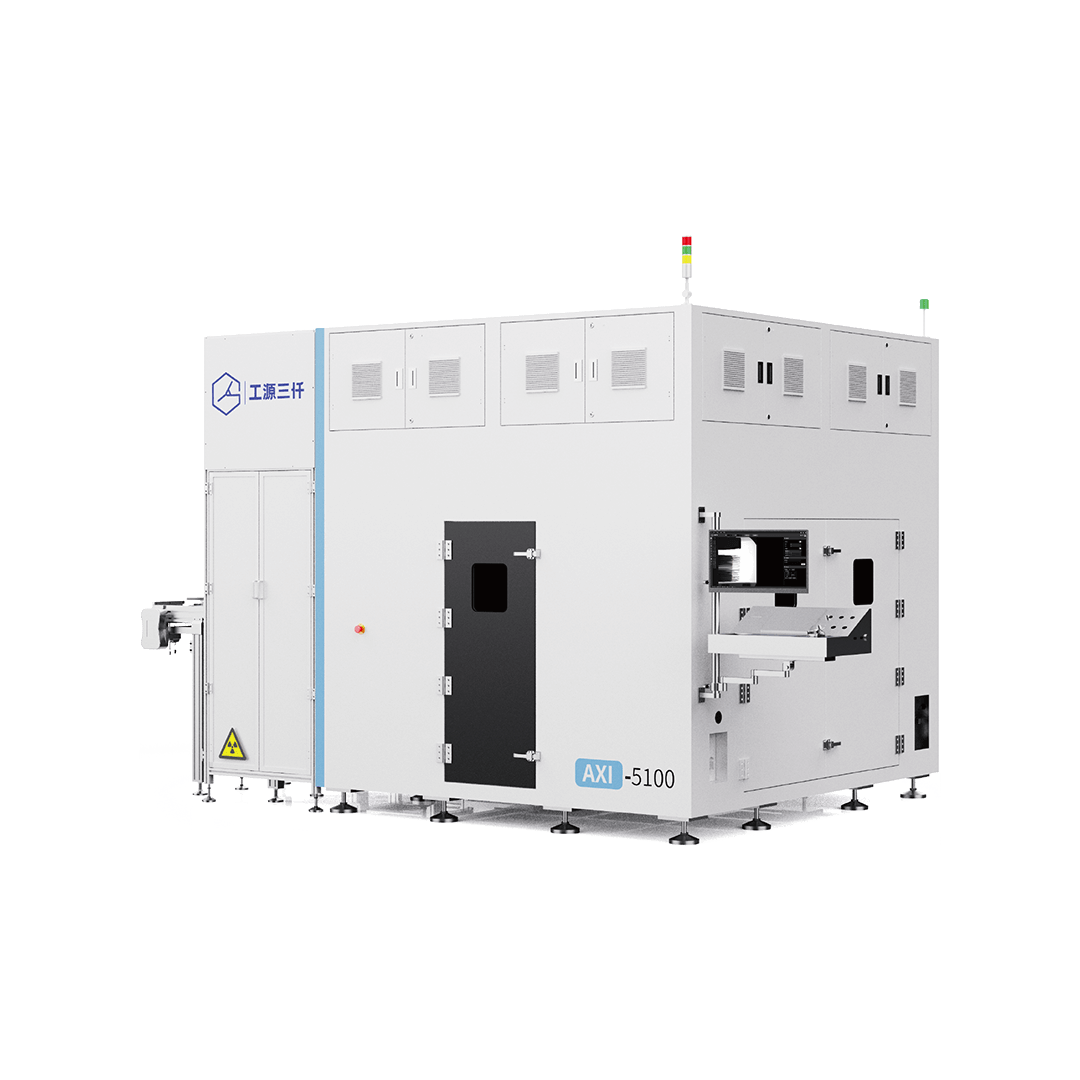
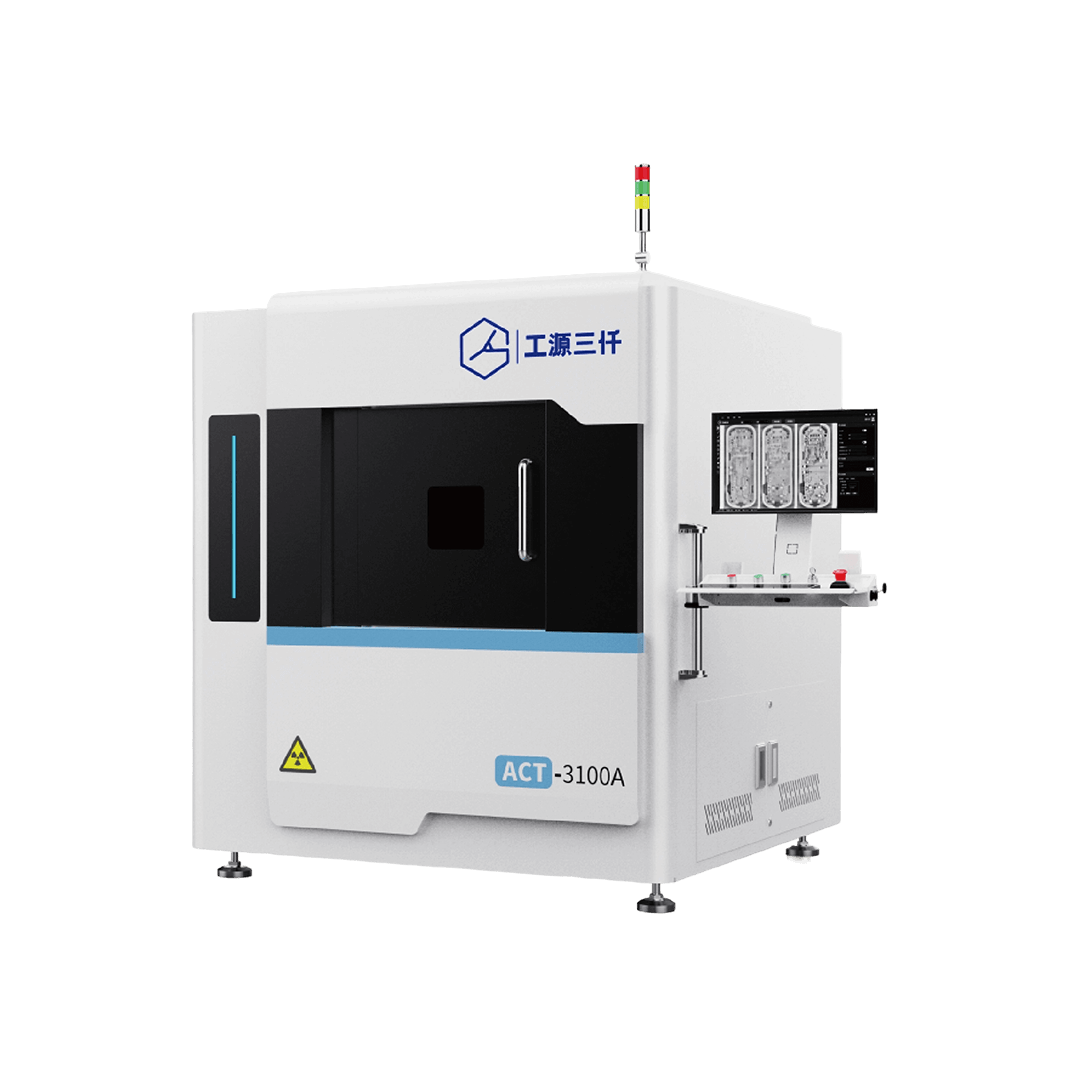
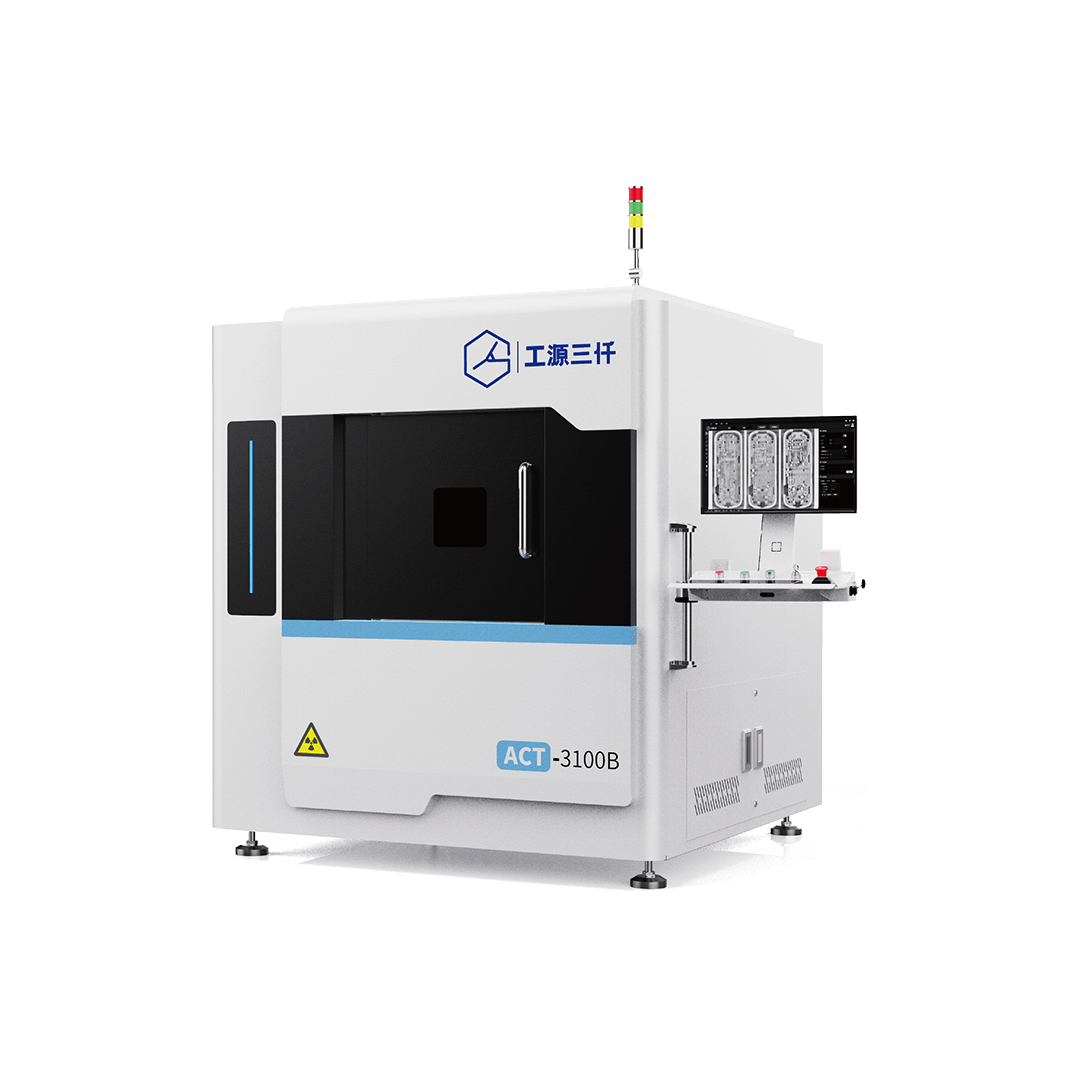
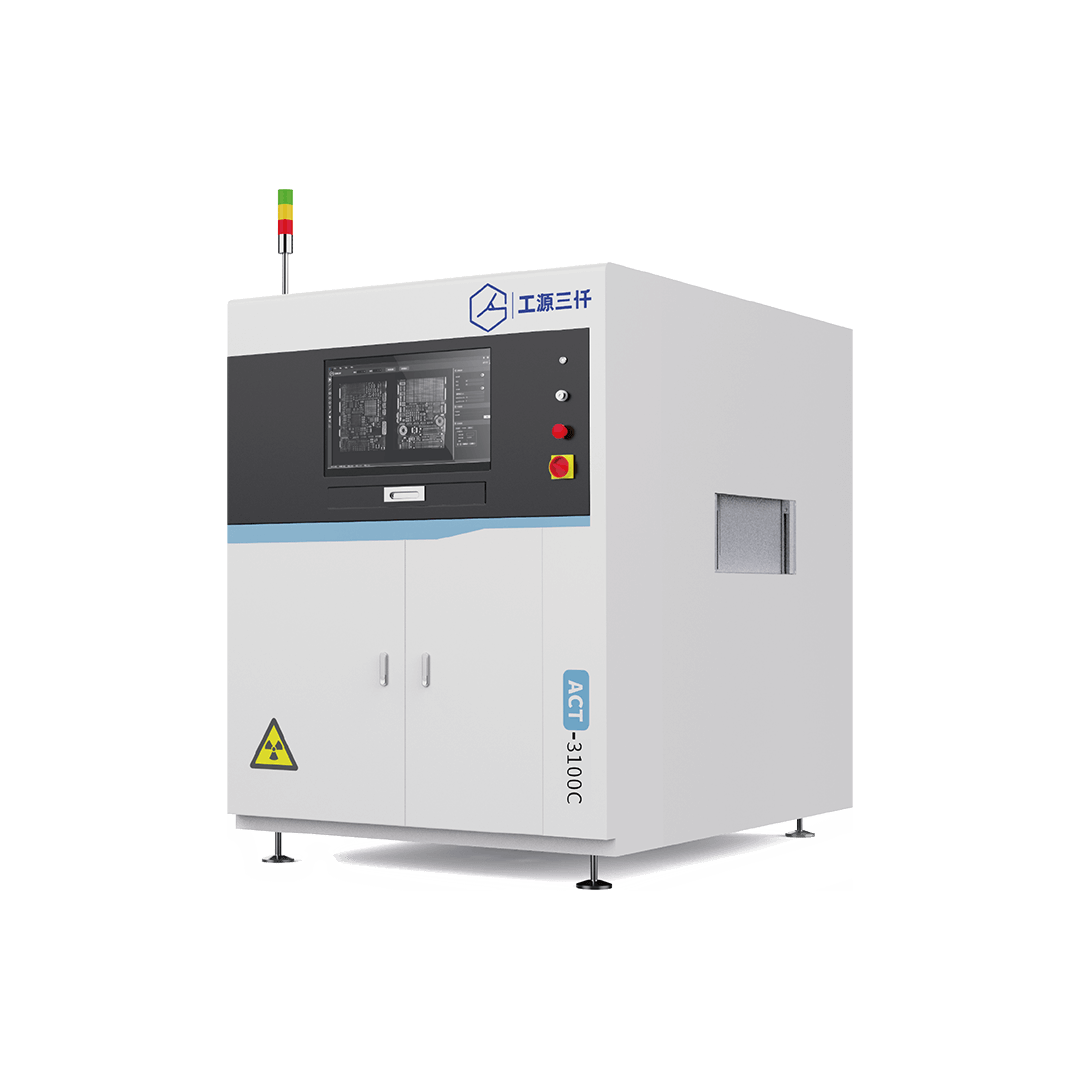
Radiographic inspection has a very wide range of applications, including semiconductors, lithium battery inspection, injection molded parts, automotive components, aerospace components, military industry, and food industry.
What is non-destructive testing (NDT)?It refers to detecting internal and surface defects in various engineering materials, components, and structural parts by utilizing changes in physical quantities such as heat, sound, light, electricity, and magnetism caused by abnormalities or defects in the internal structure of materials.
Technology R&DWhat defects can radiographic inspection detect?1、Cracks and foreign objects in LED components
2、Broken wires and cold soldering defects in BGA soldering
3、Internal porosity and crack defects in aluminum castings
4、Defects in integrated circuit packaging, such as peeling, damage, and gaps
5、Solder joint gaps in SMT assembly
6、Open circuits, short circuits, and abnormal connections in integrated circuit wiring
7、Misalignment of laminated or wound electrodes, excessive proximity between the negative electrode and the casing wall, and missing internal structures of tabs in lithium batteries
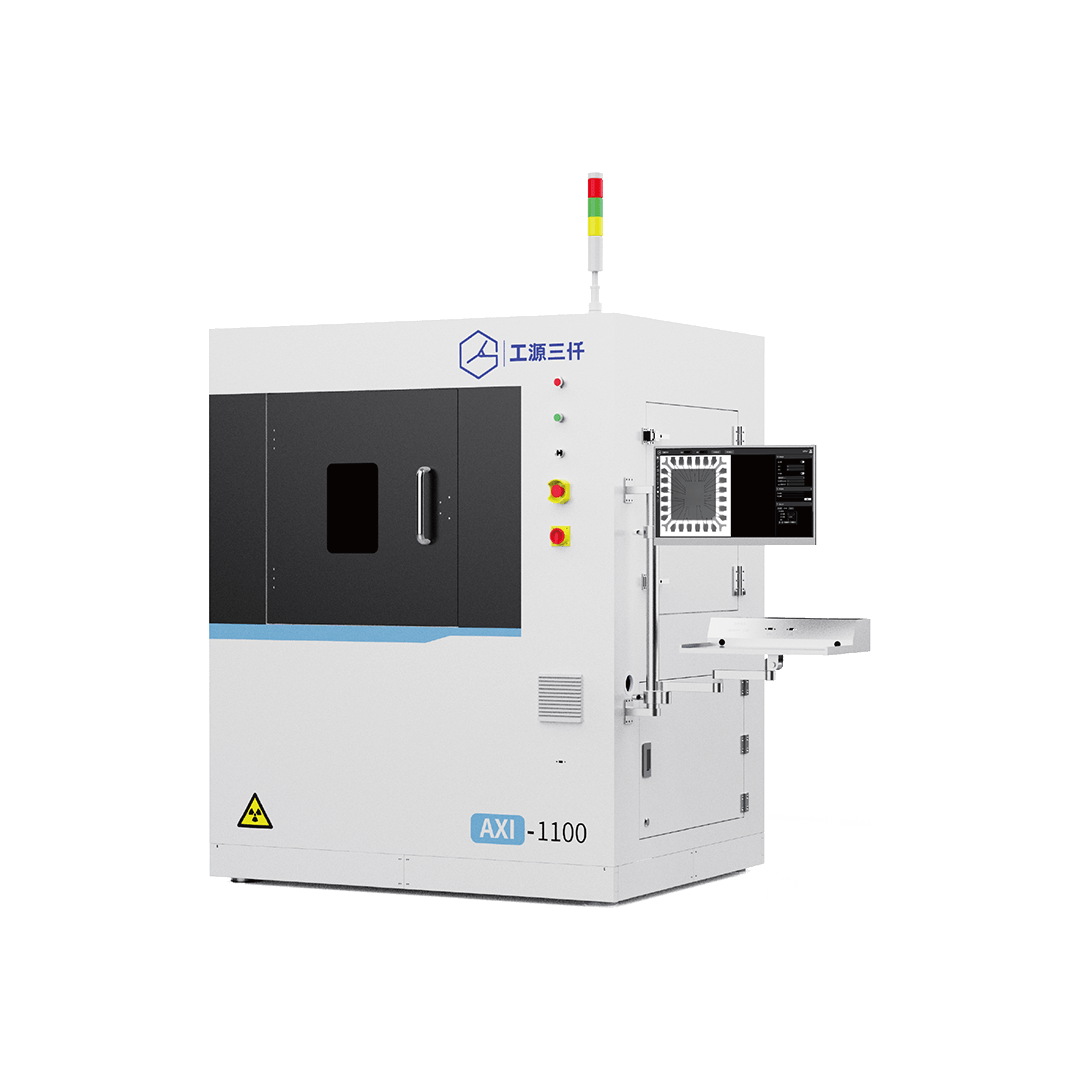
What is the difference between radiographic inspection and AOI?Radiographic inspection primarily detects internal defects of products, while AOI (Automated Optical Inspection) mainly inspects the surface of products.
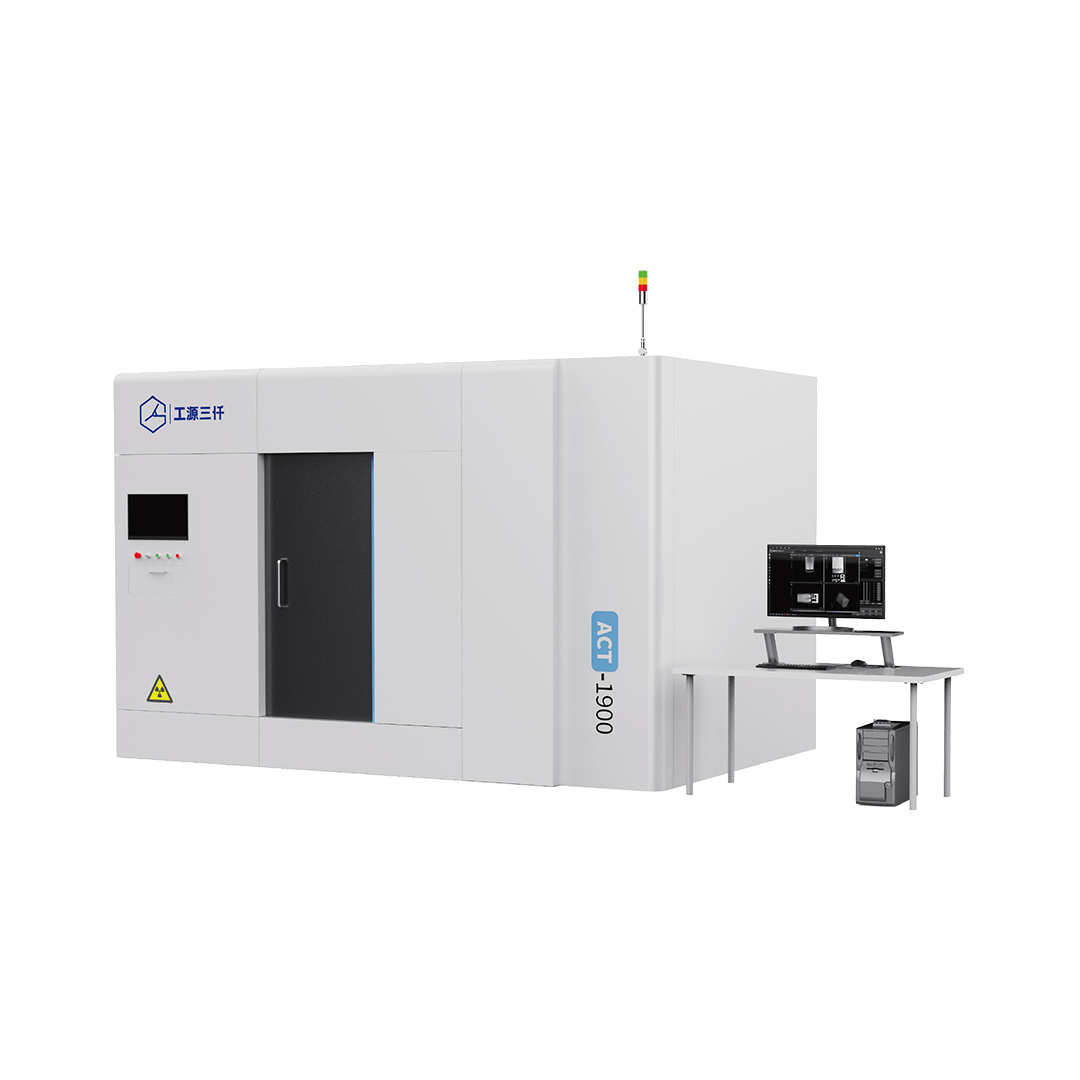
What is the difference between Industrial CT and Industrial DR?Industrial DR produces 2D planar images on a screen after X-rays pass through the inspected object, and defects are analyzed by observing the grayscale distribution. Industrial CT captures X-rays that have passed through the object using detectors, transmits the data to a computer for analysis, and reconstructs a 3D volumetric image of the object. Defects are then identified by analyzing the grayscale distribution in the 3D image.
What factors affect the final results of radiographic inspection?The results of radiographic inspection are influenced by factors including the composition, density, and thickness of the inspected workpiece, as well as the power of the radiation source.

 Group Headquarters::Quzhou City, Zhejiang Province
R&D Center:Wuxi City, Jiangsu Province
Production Bases:Wuhu City(Anhui), Yancheng City(Jiangsu)
Test Base:Chengdu City, Sichuan Province
 +86 152-5150-5981